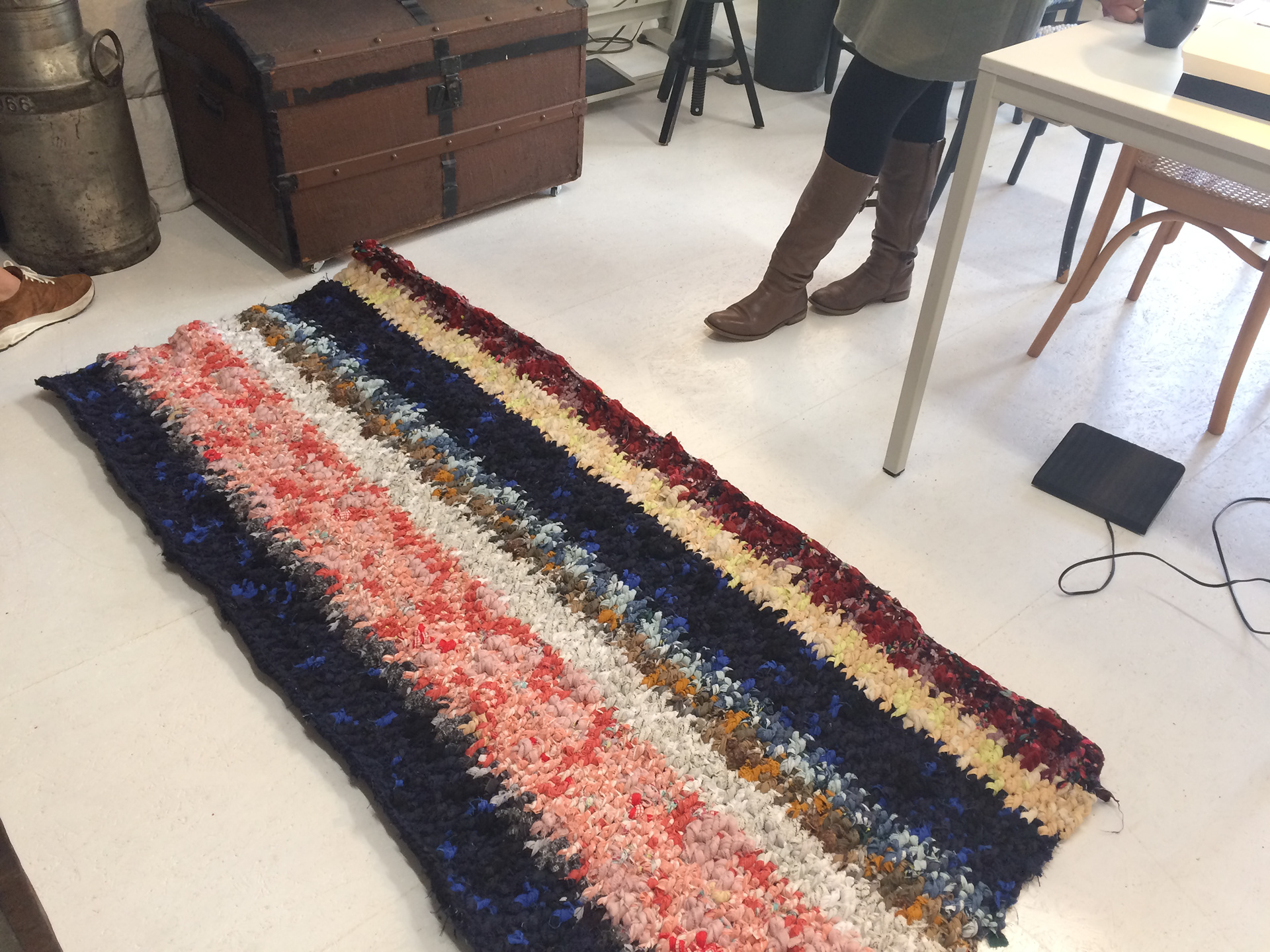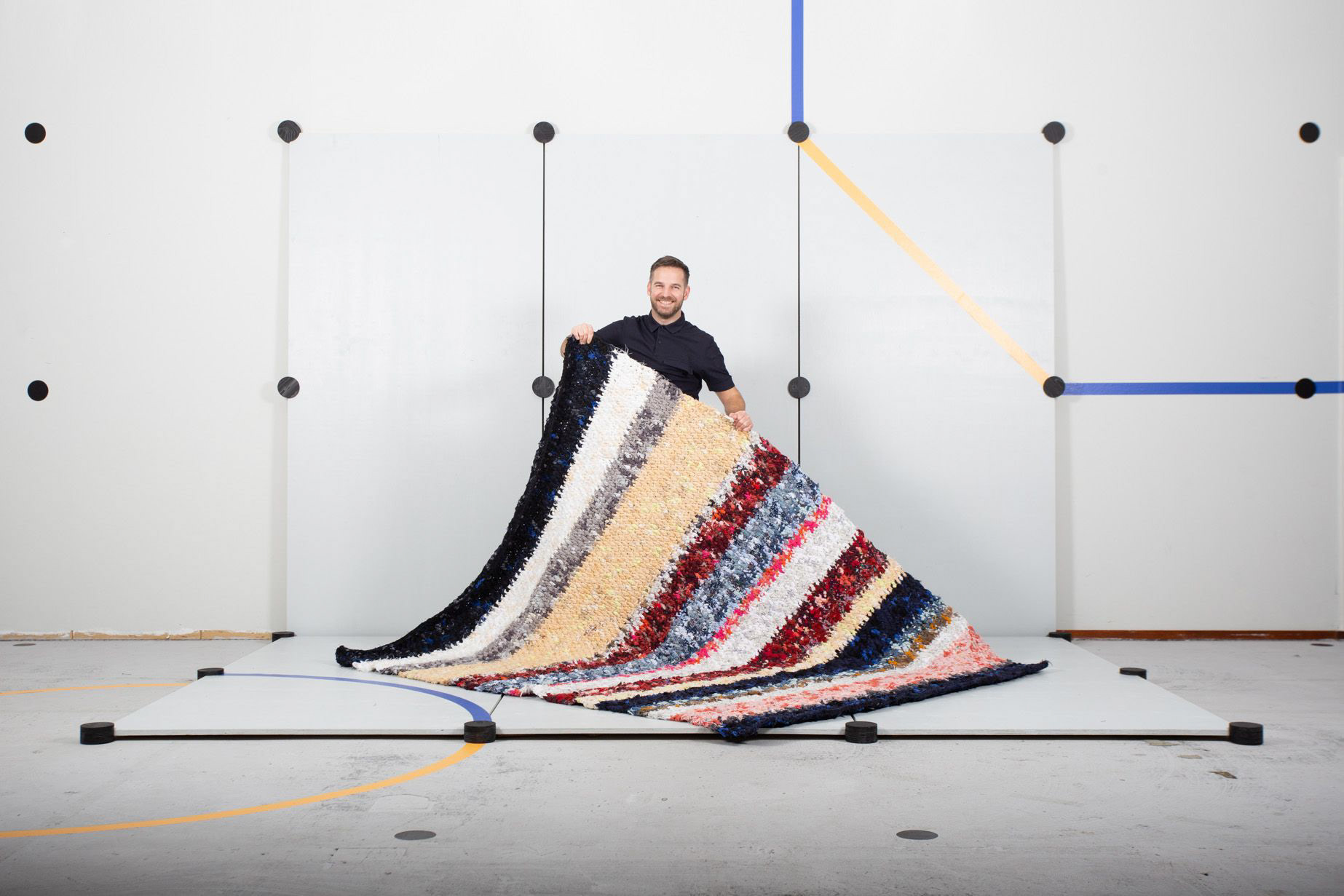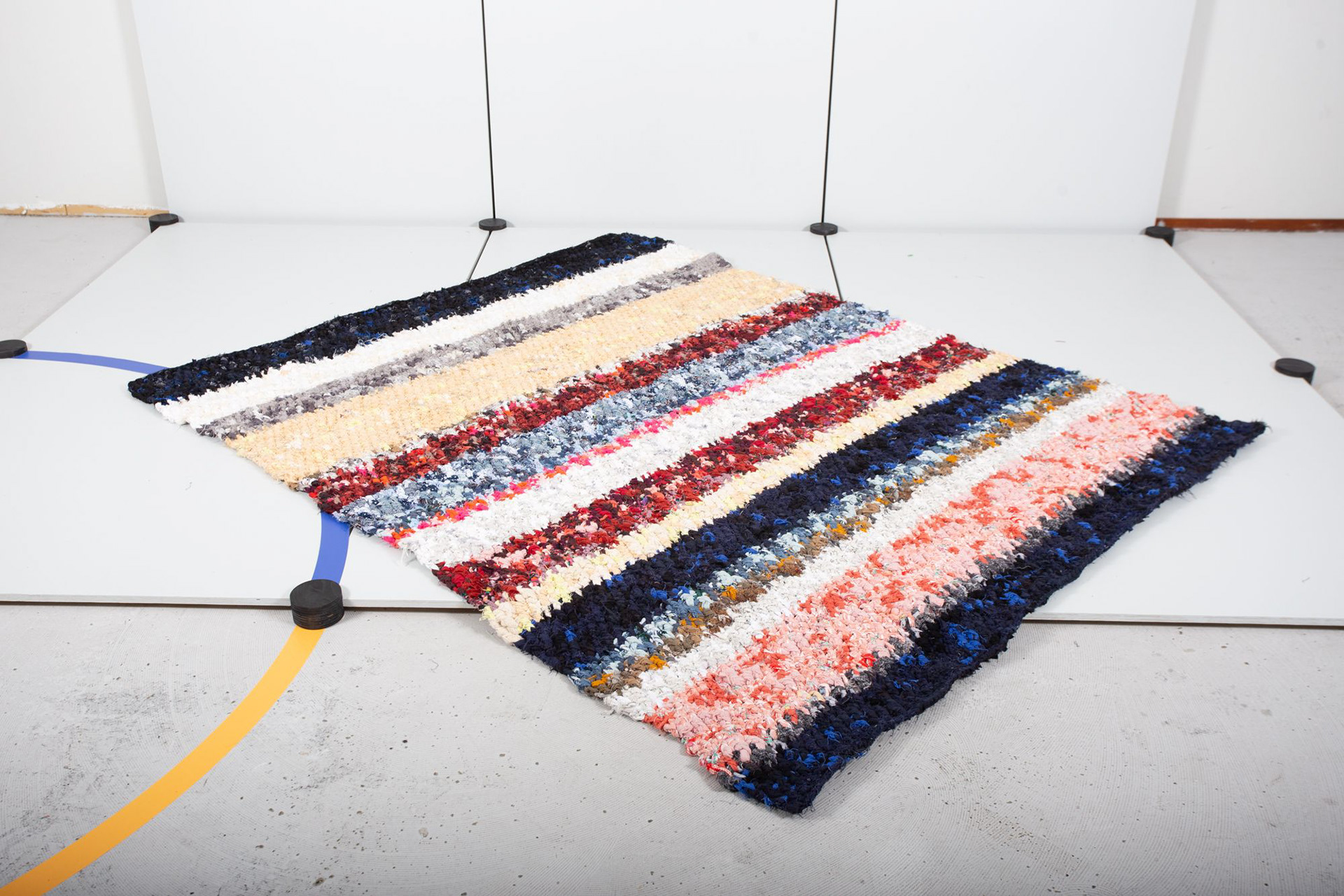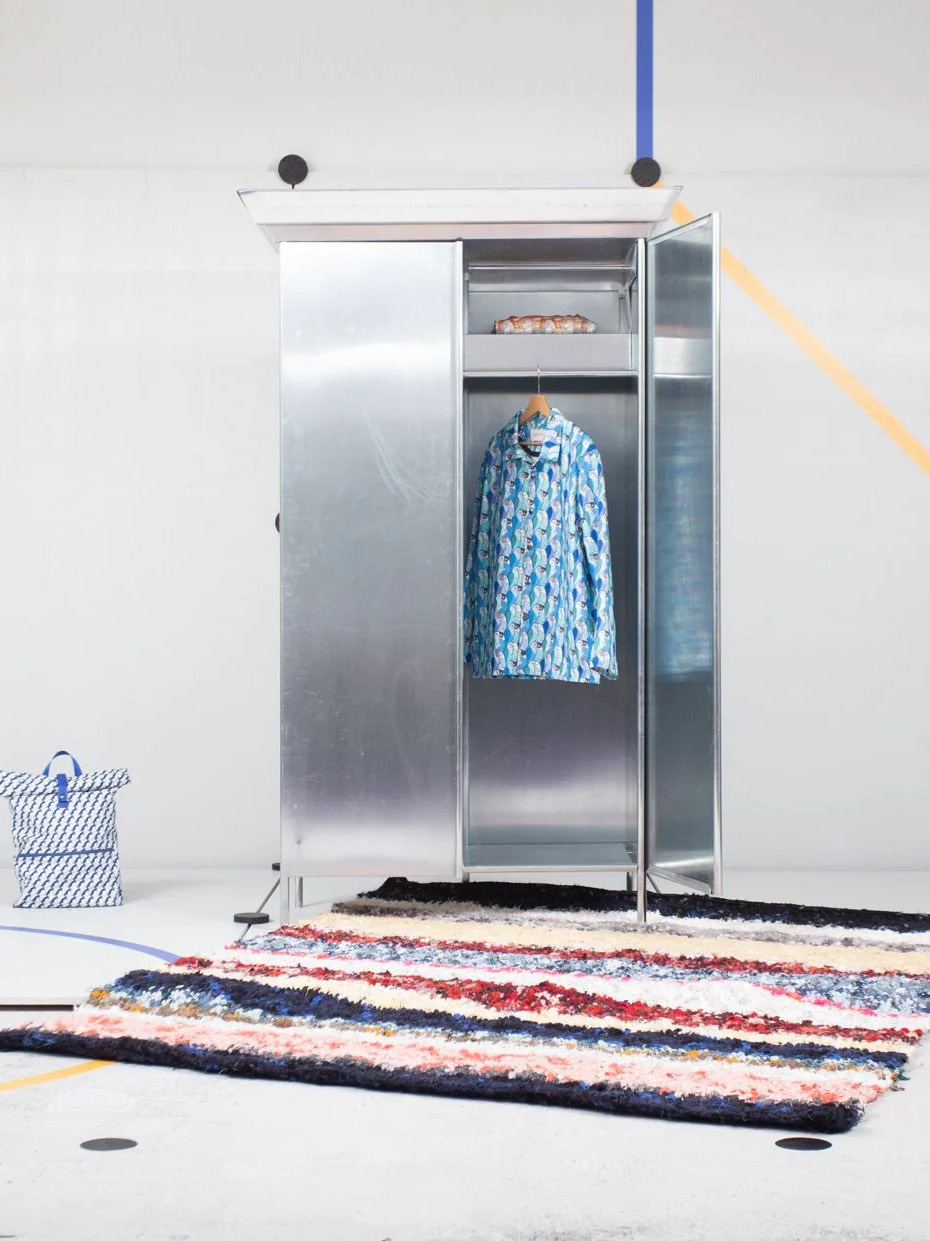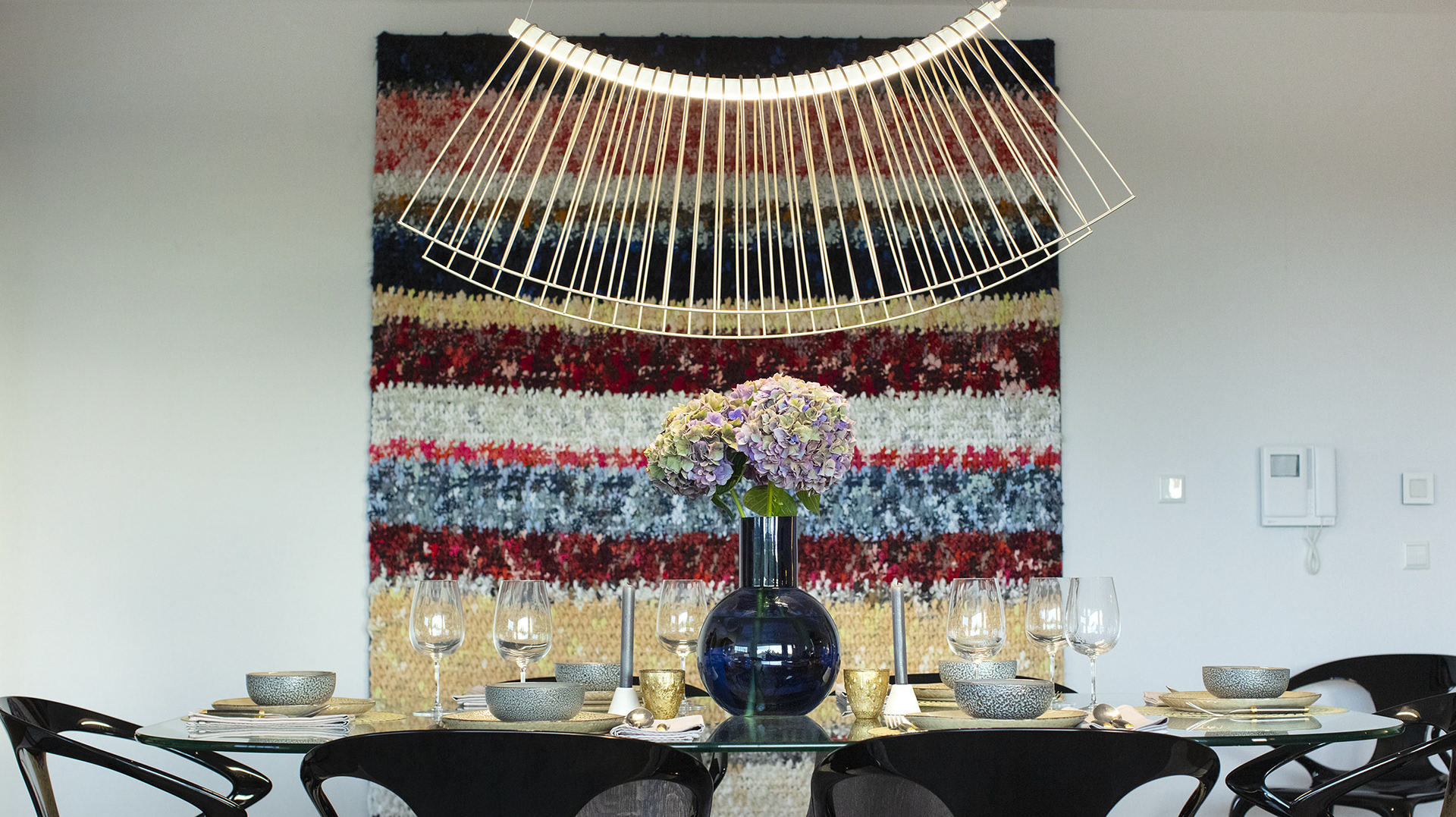
'RagRug' is a hand-crafted textile object made entirely from discarded clothing and household fabrics. It began during the early months of the COVID-19 pandemic, when people were confined to their homes and neighbourhoods filled with bags of unwanted textiles placed beside recycling bins.
Most of these materials — low-quality fast fashion, blended fibres, and worn-out garments — are difficult or impossible to recycle. Although they still contained material value, they were treated as waste. RagRug emerged from a simple question: how can materials that appear valueless become meaningful again?
Observation
During daily walks through my neighbourhood, I noticed increasing amounts of discarded textiles. The act of disposal felt casual, almost invisible. Fabrics that once required resources, labour, and time to produce were being abandoned without consideration for their potential future.
This observation revealed a disconnect between material value and perceived value. The problem was not a lack of material, but a lack of care, attachment, and systems that support reuse.
Process
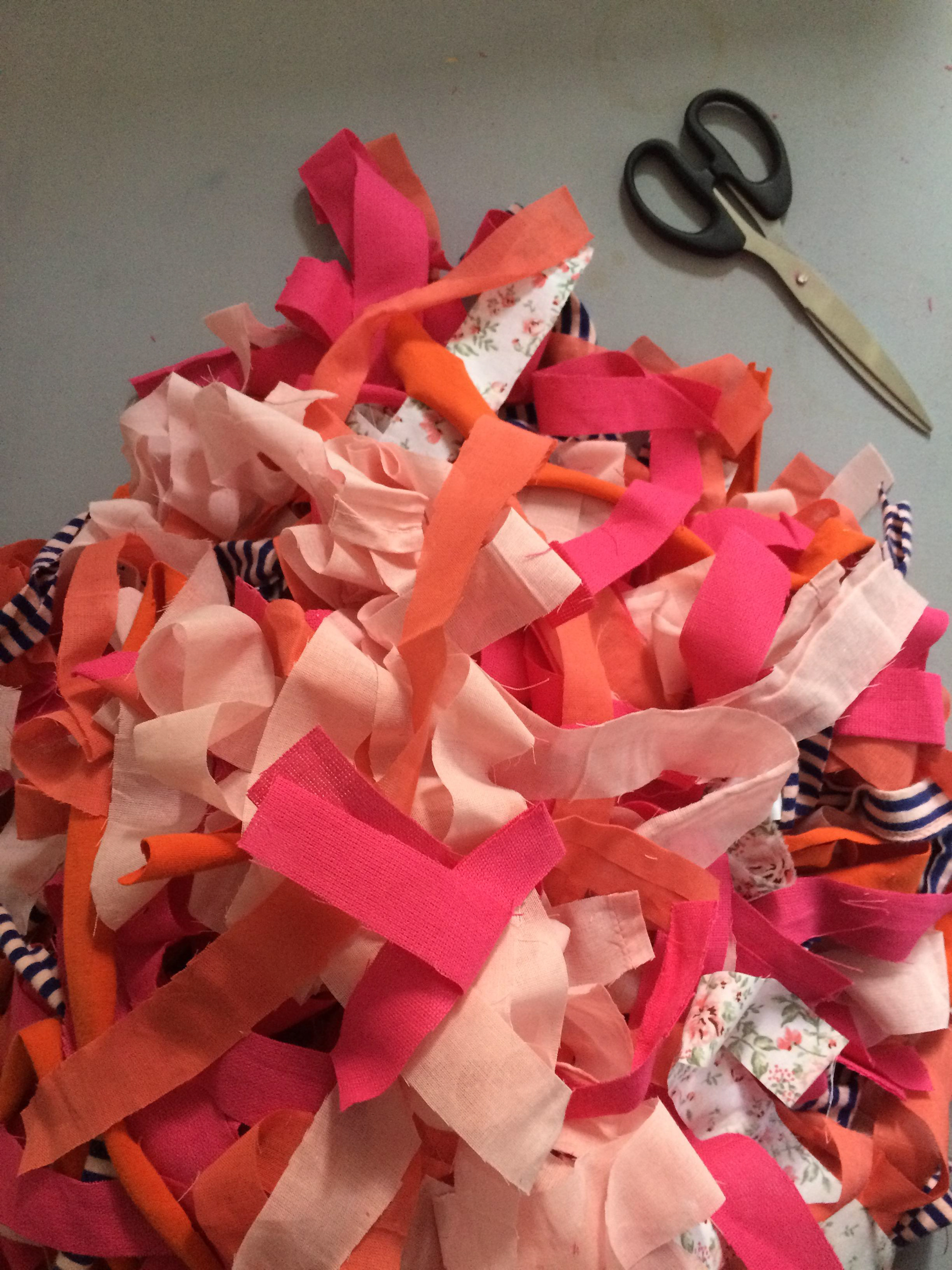
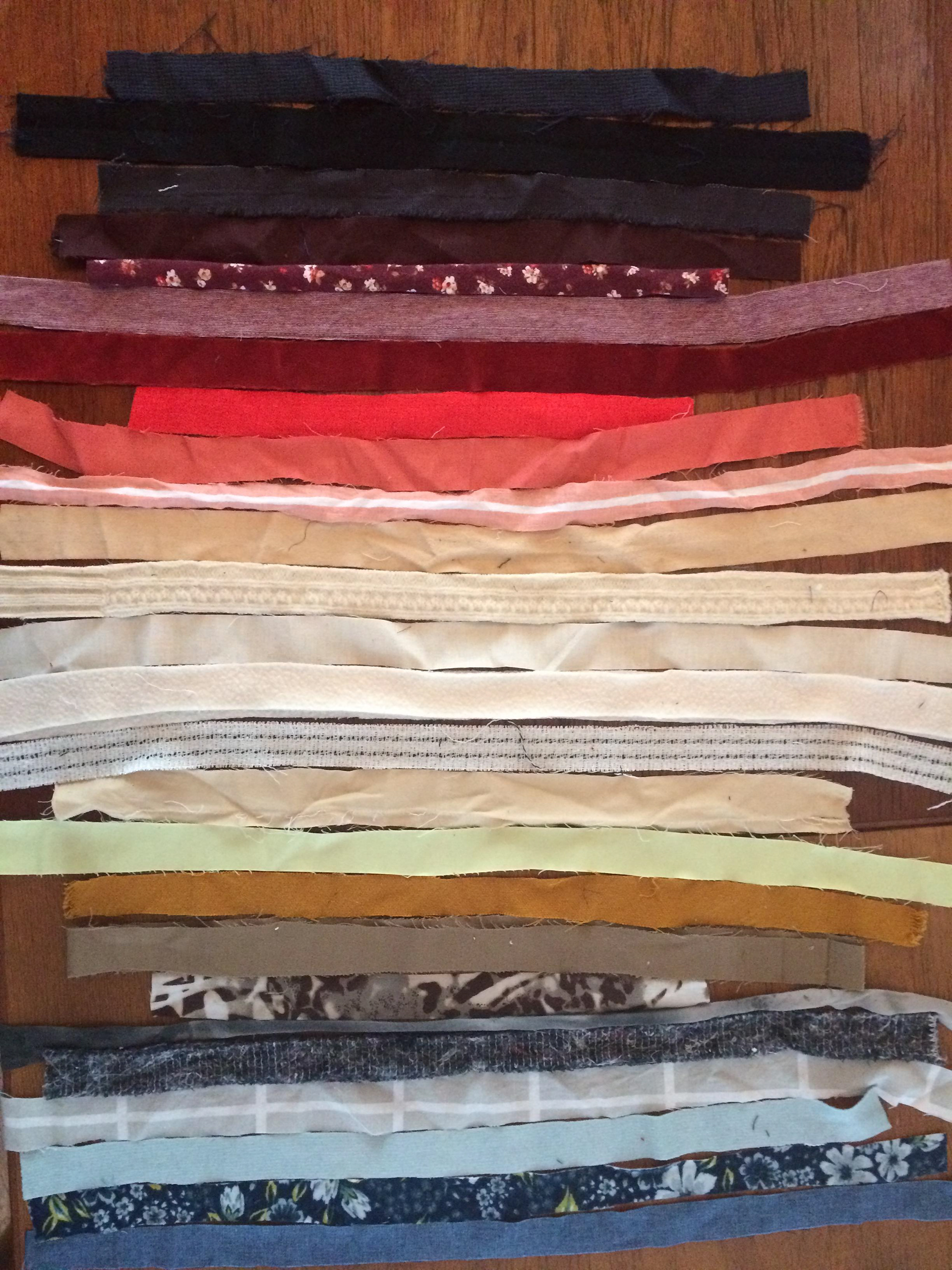
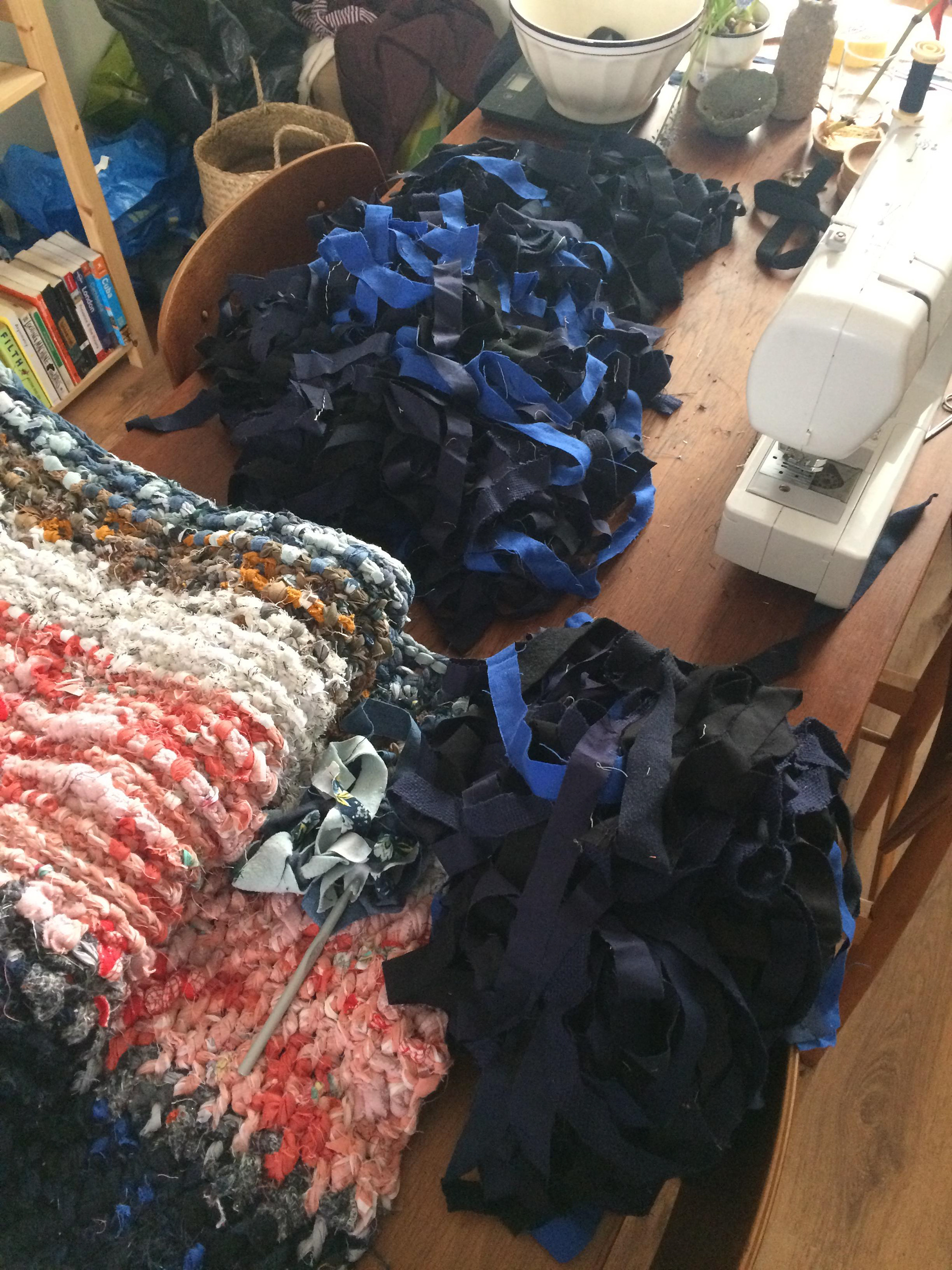
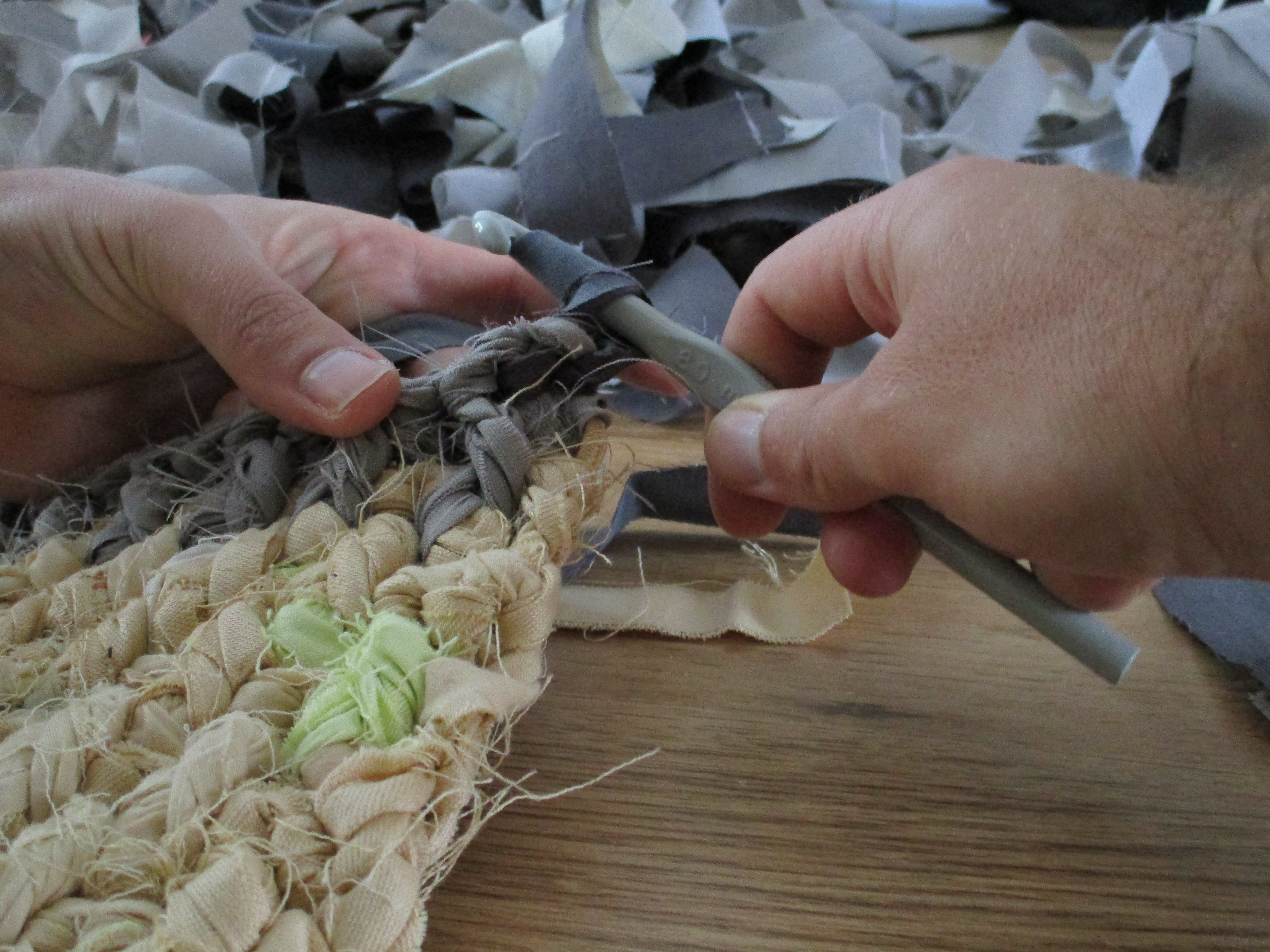
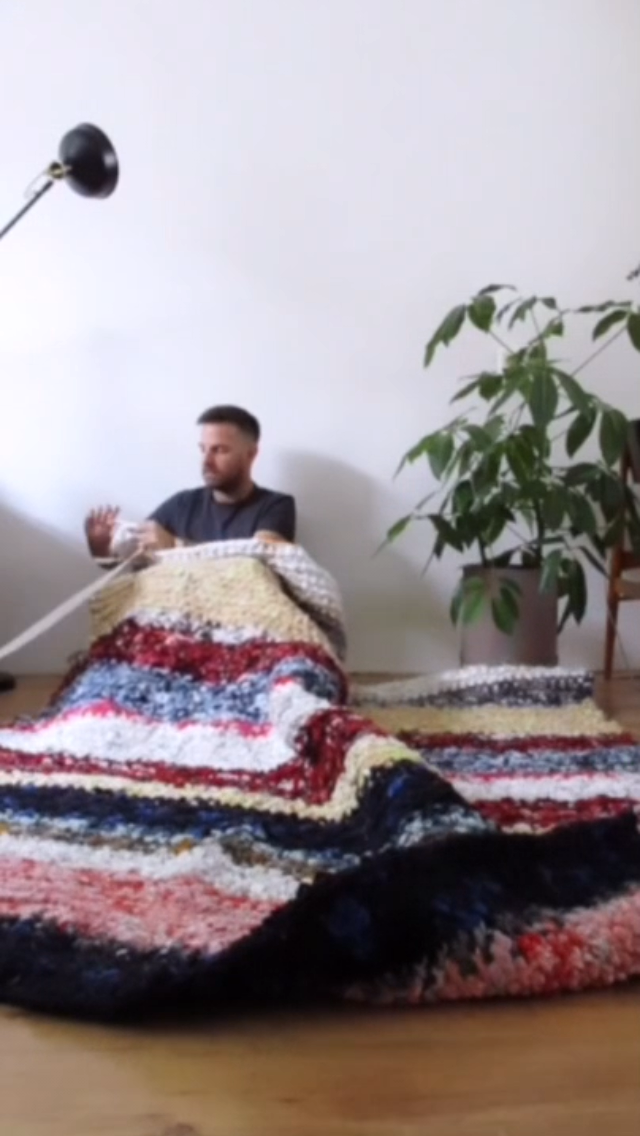
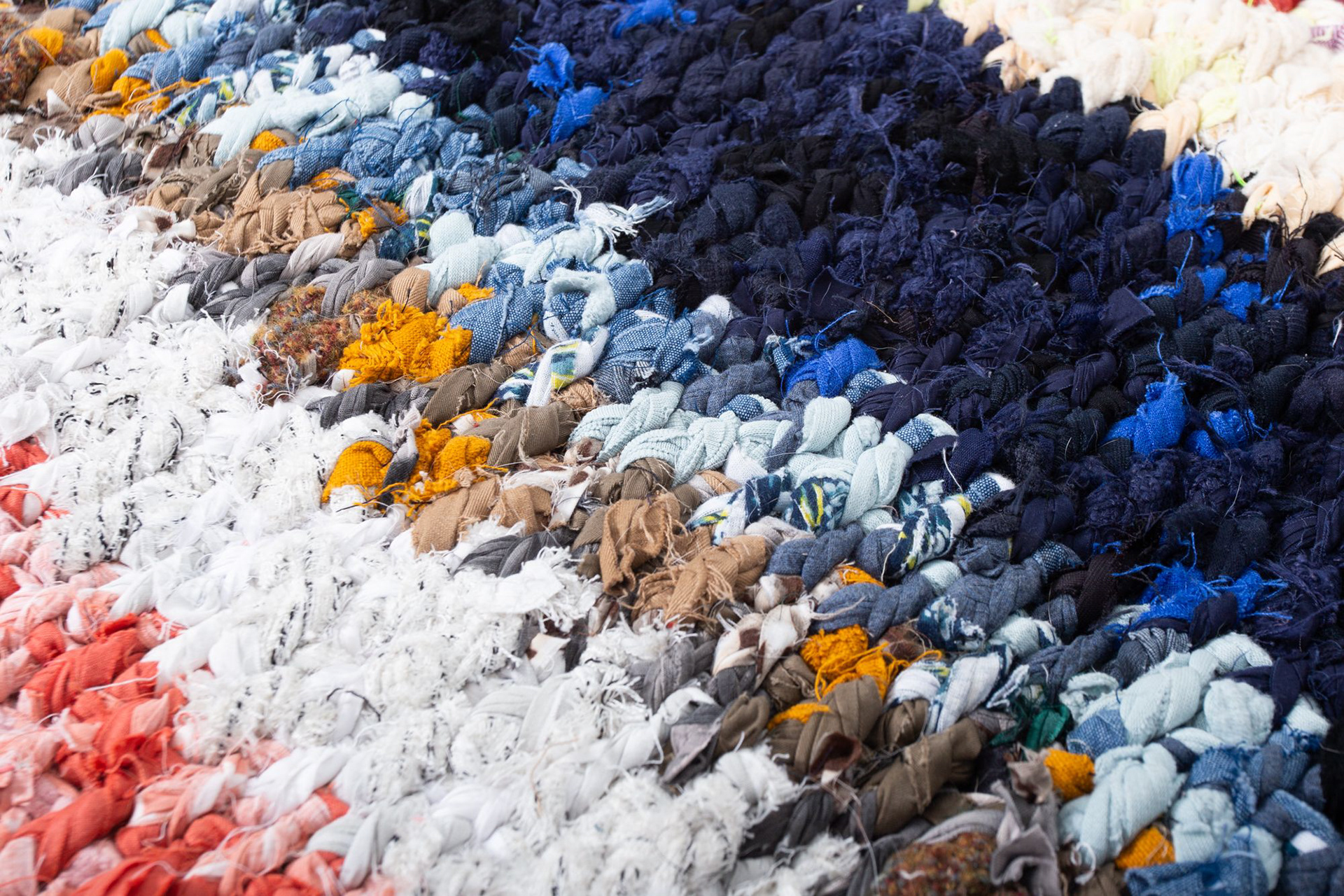
I collected the discarded textile bags from the neighbourhood and sorted the contents by colour. Each garment was cut into strips and sewn into longer continuous threads. Through experimentation, I tested different crochet techniques to find a structure that could withstand long-term use.
The final design was entirely hand-crocheted, resulting in a rug measuring approximately 1.80 × 2.30 meters. The stitch structure creates density and durability, allowing fragile fabrics to form a strong, unified surface.
The making process was slow and repetitive. Each stitch required attention and time — a deliberate contrast to the speed at which the original materials were produced and discarded.
Value Through Making
'RagRug' is not only a functional object, but a record of labour, care, and accumulated time. Through making, the discarded fabrics regained value — not by being hidden or transformed beyond recognition, but by being visibly reassembled into something new.
The project explores how craftsmanship can reintroduce attachment to materials that have lost their perceived worth, and how time itself can become a form of value.
Time and Re-contextualisation
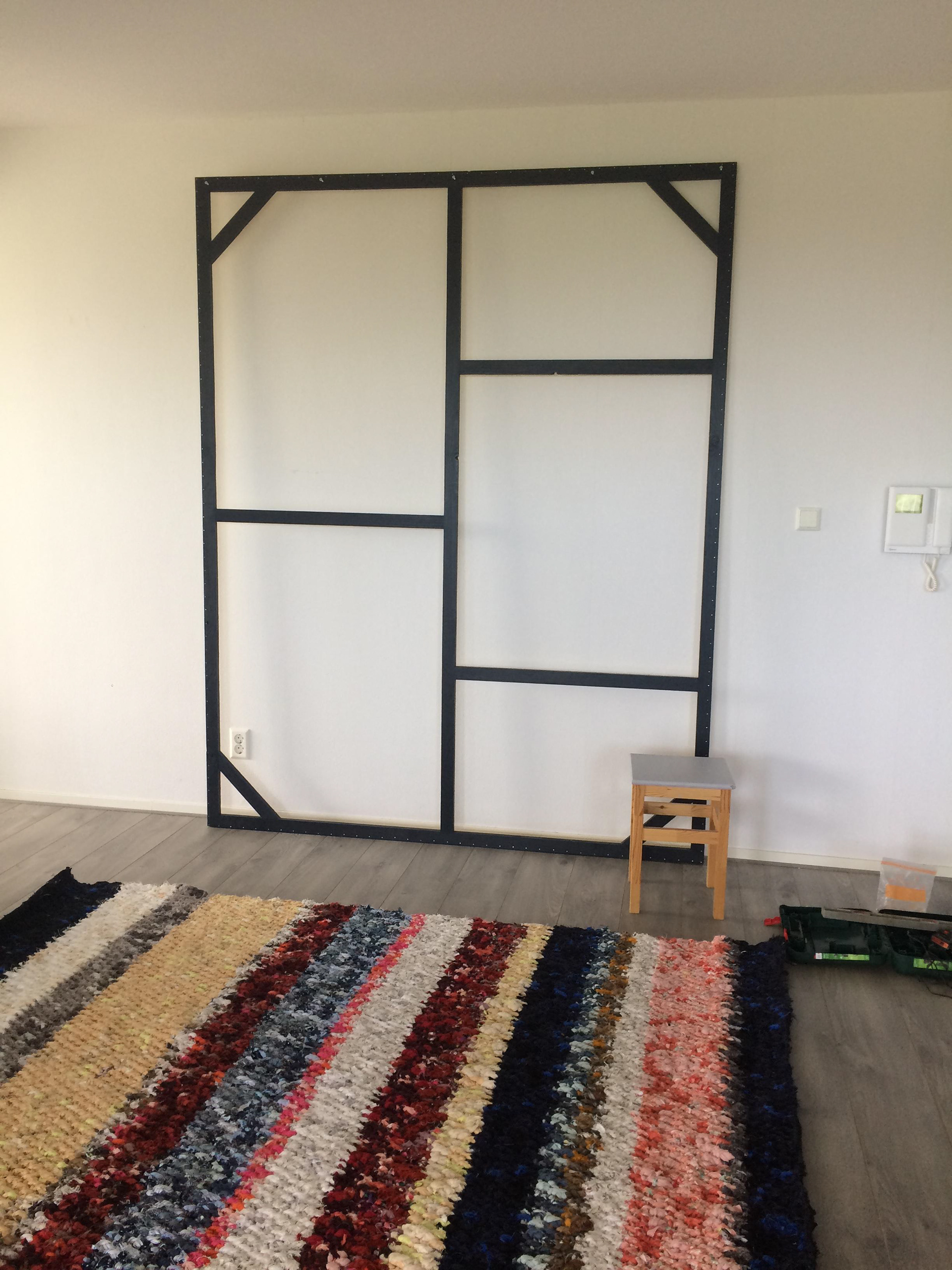
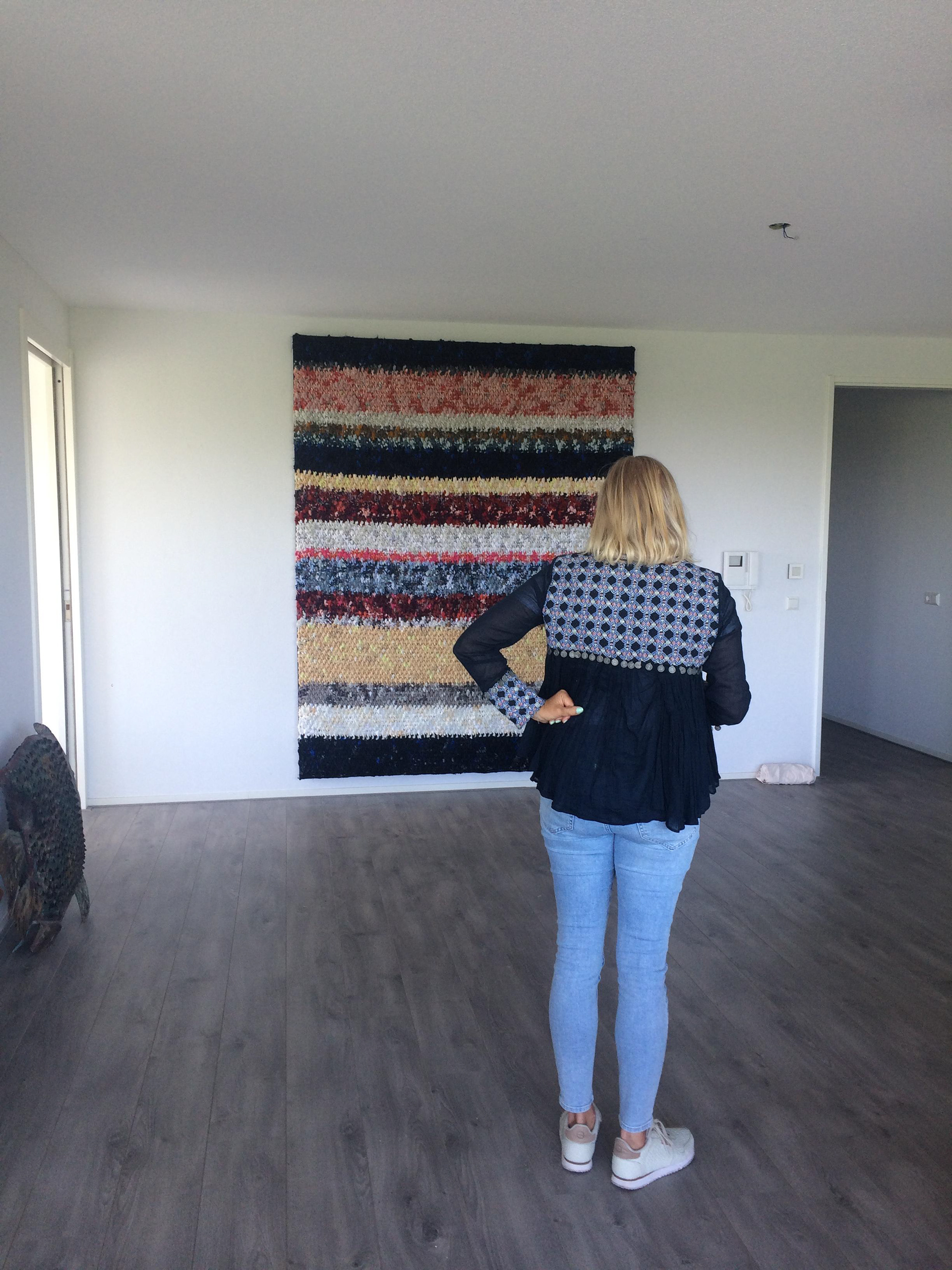
Two years after its creation, 'RagRug' was acquired by a Netherlands-based client and later installed as wall art with the support of Union Interiors in Canada. What began as a floor rug was recontextualised as an art object — preserved, displayed, and valued for its material story and making process.
This shift demonstrated that waste is not an inherent quality of materials, but a consequence of how we relate to them. When care and attention are reintroduced, perception changes.
Reflection
RagRug shows that discarded textiles can carry new meaning when design prioritises durability, visibility of labour, and emotional connection. The project suggests that value does not originate from new materials, but from the relationships we build with the ones already around us.