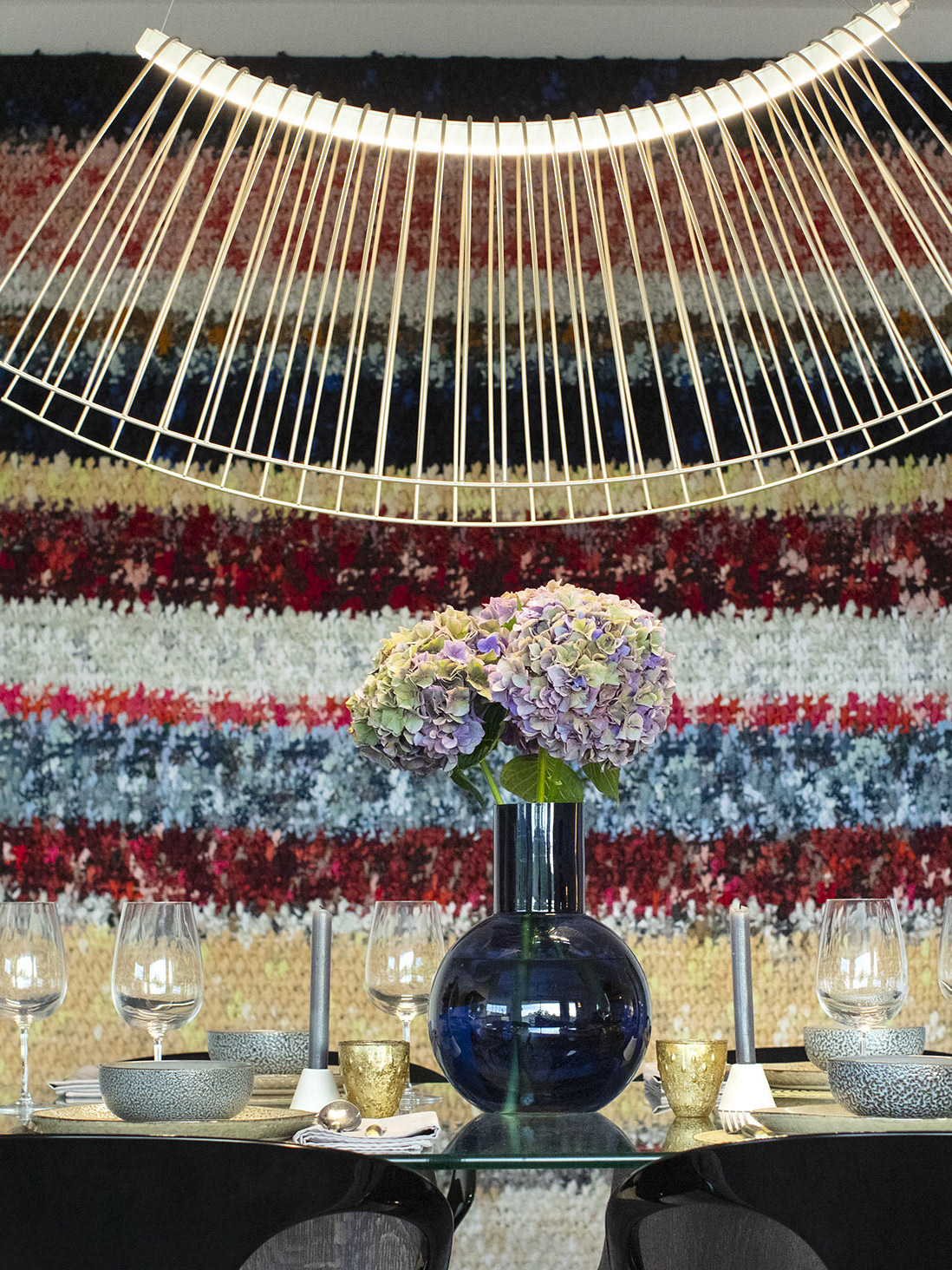
'The New Standard 2030' is a design research project that questions where responsibility should live in a disrupted world.
Initiated during the COVID-19 pandemic, it emerged from a moment when systems failed, waste increased, and responsibility was pushed onto individuals rather than embedded into the objects and systems around them.
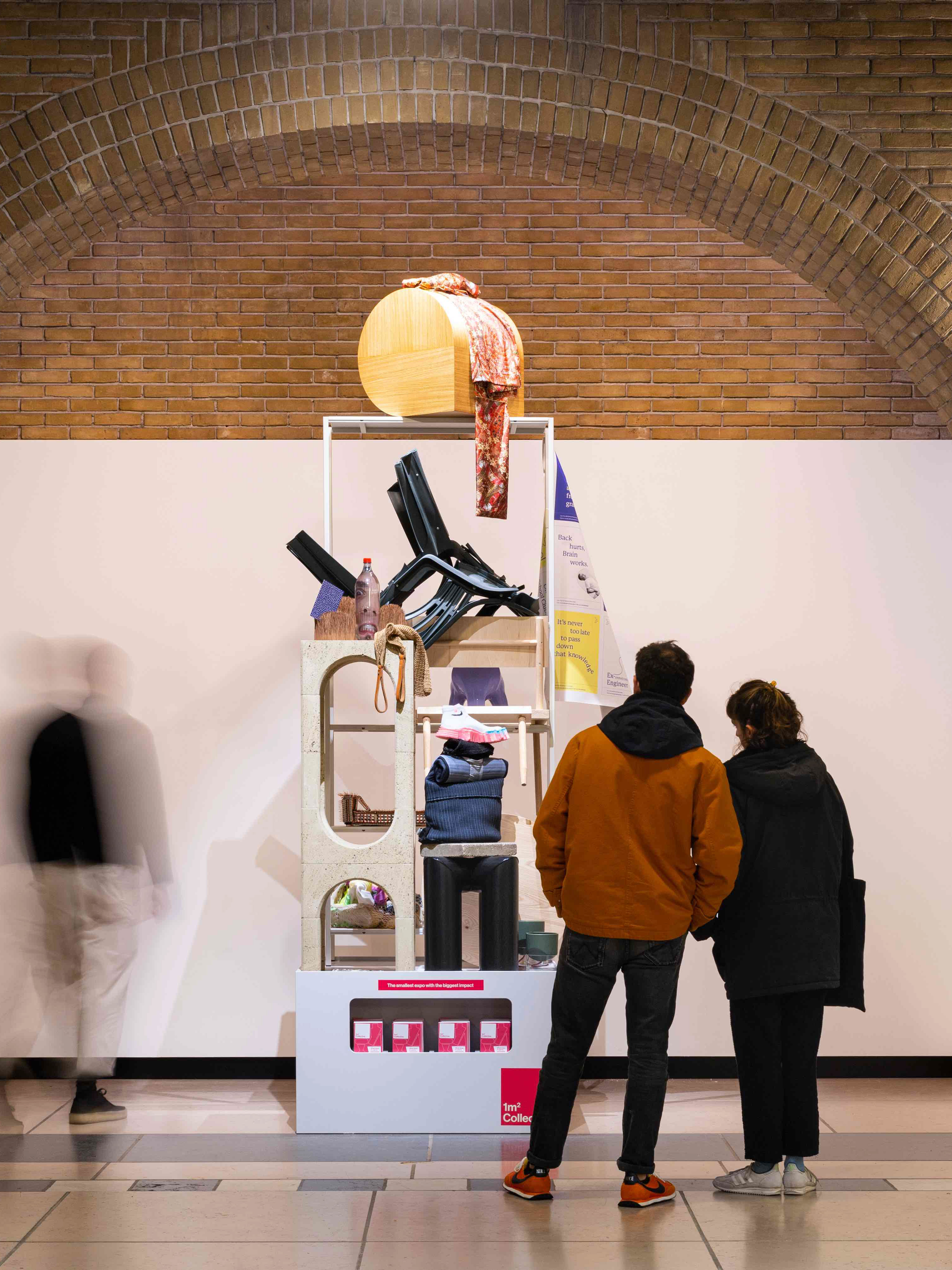
Instead of asking people to behave better, 'The New Standard 2030' explores how objects can carry more responsibility themselves — by being understandable, adaptable, repairable, and designed for disassembly. Through material-driven projects such as RagRug, Flatpack Couture, The Zinc Cabinet, and The B.I.Y. Sneaker, the research investigates how overlooked resources can become meaningful, lasting objects that restore connection between people, materials, and systems.
*Scroll down for images of the full series and a more extensive explanation.
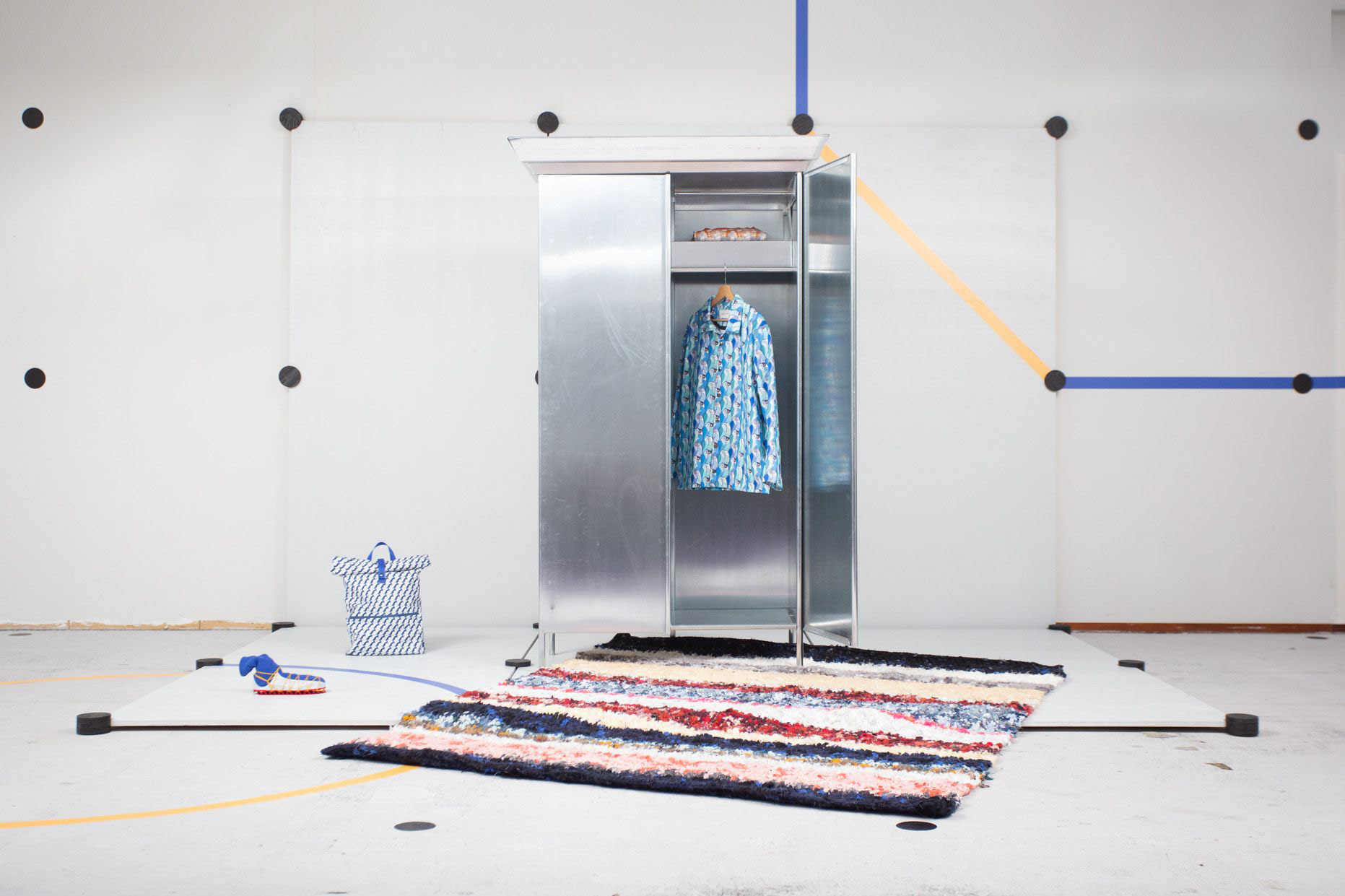
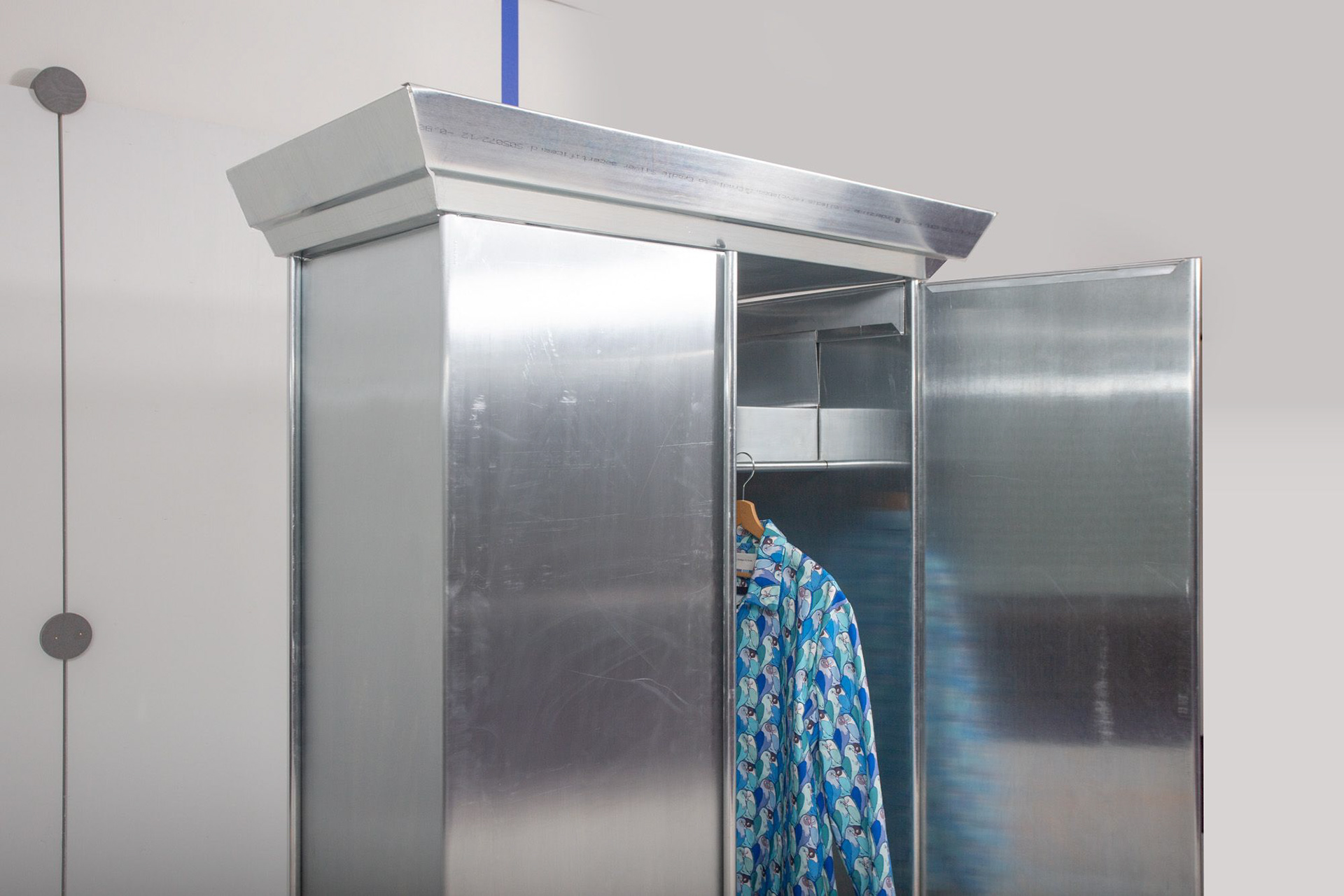
Zinc Cabinet
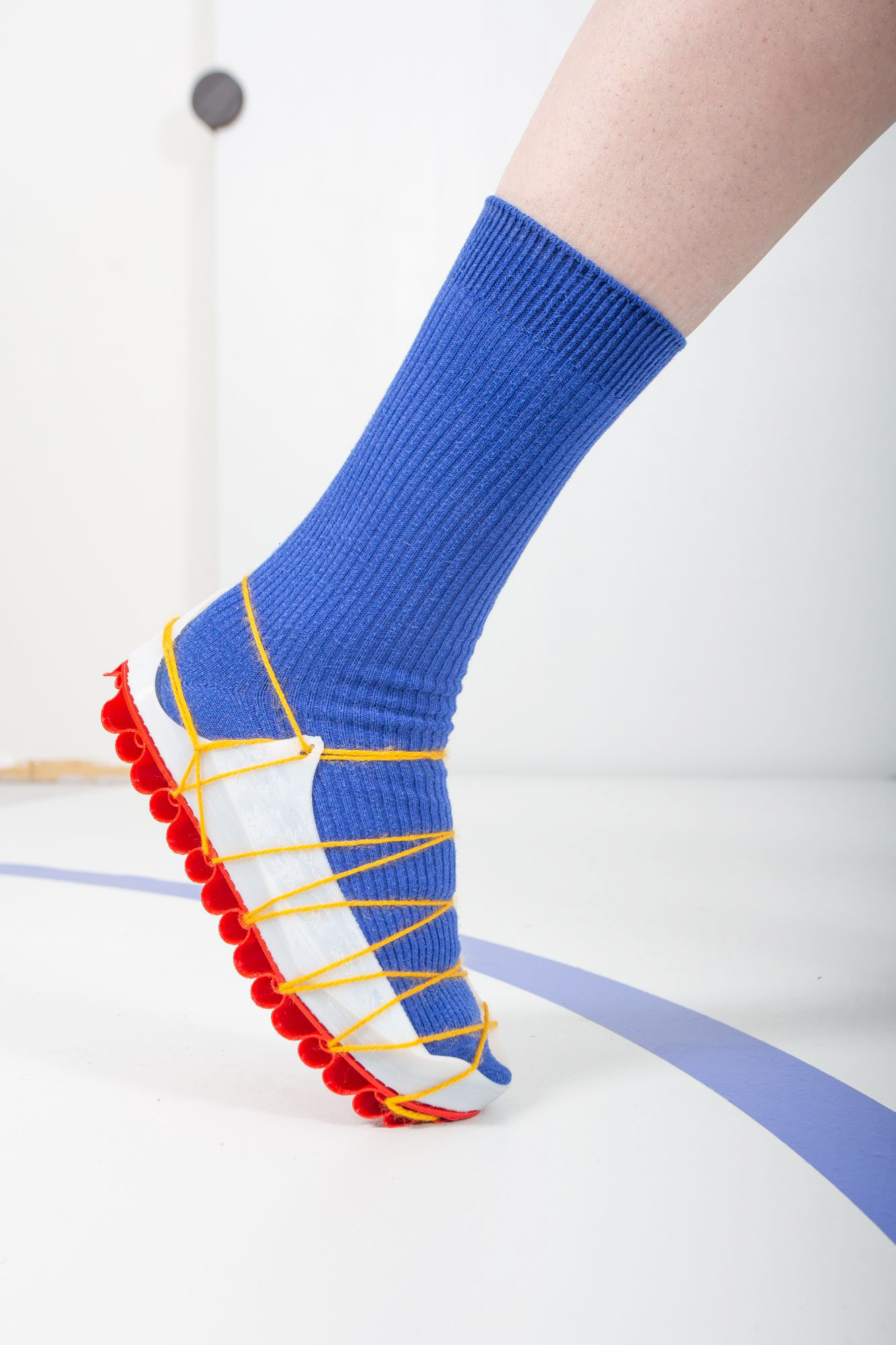
BIY Sneaker
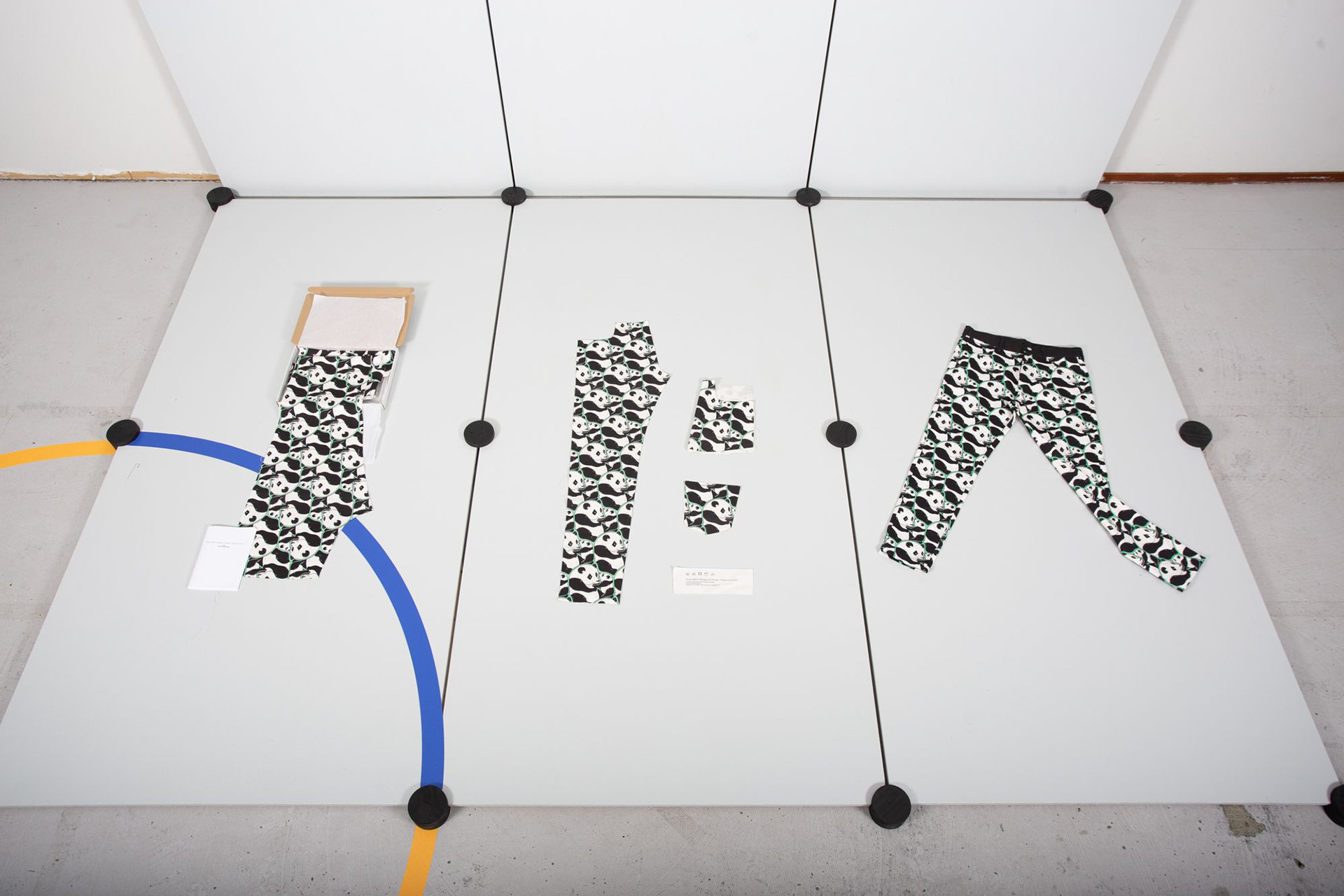
Flatpack Couture
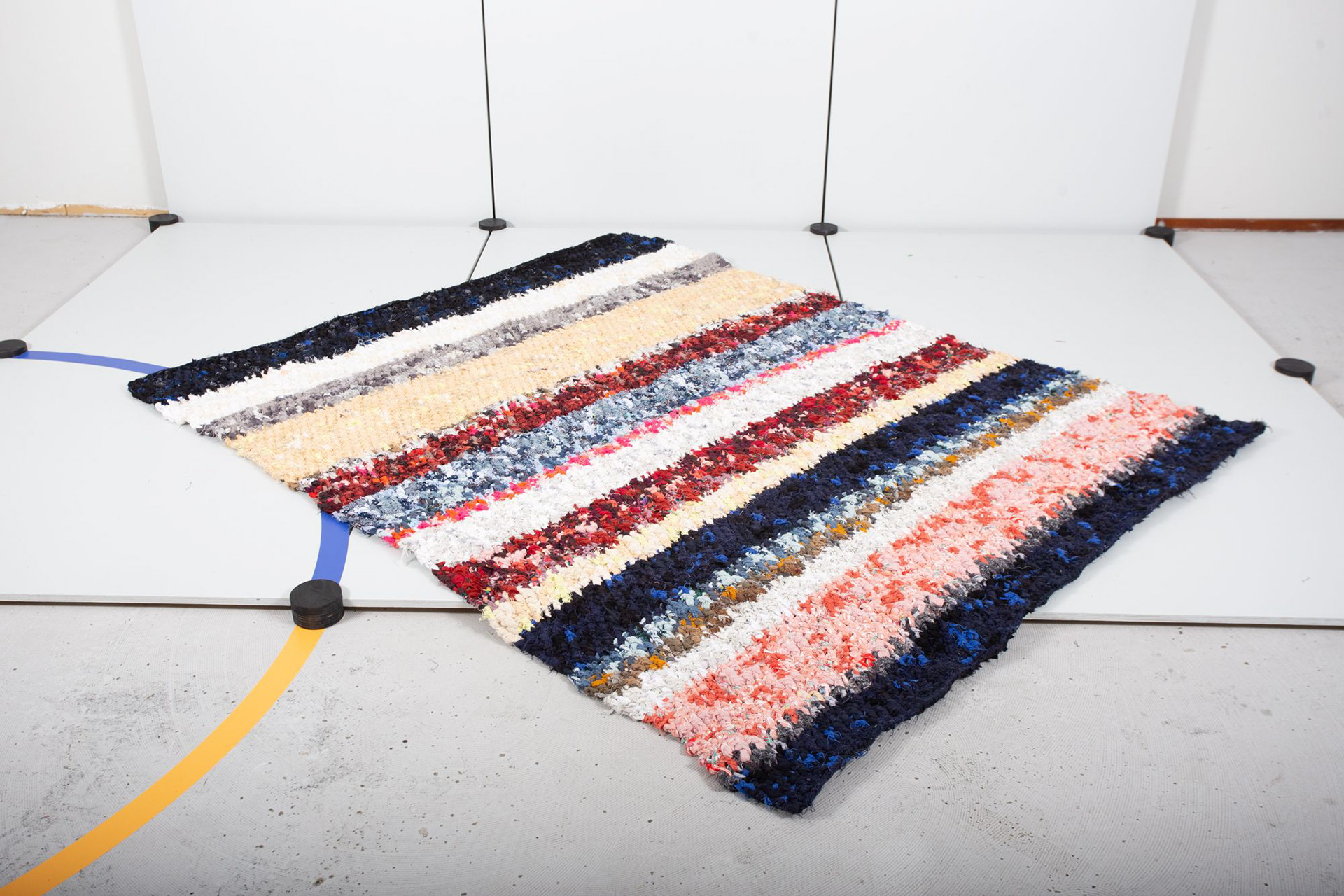
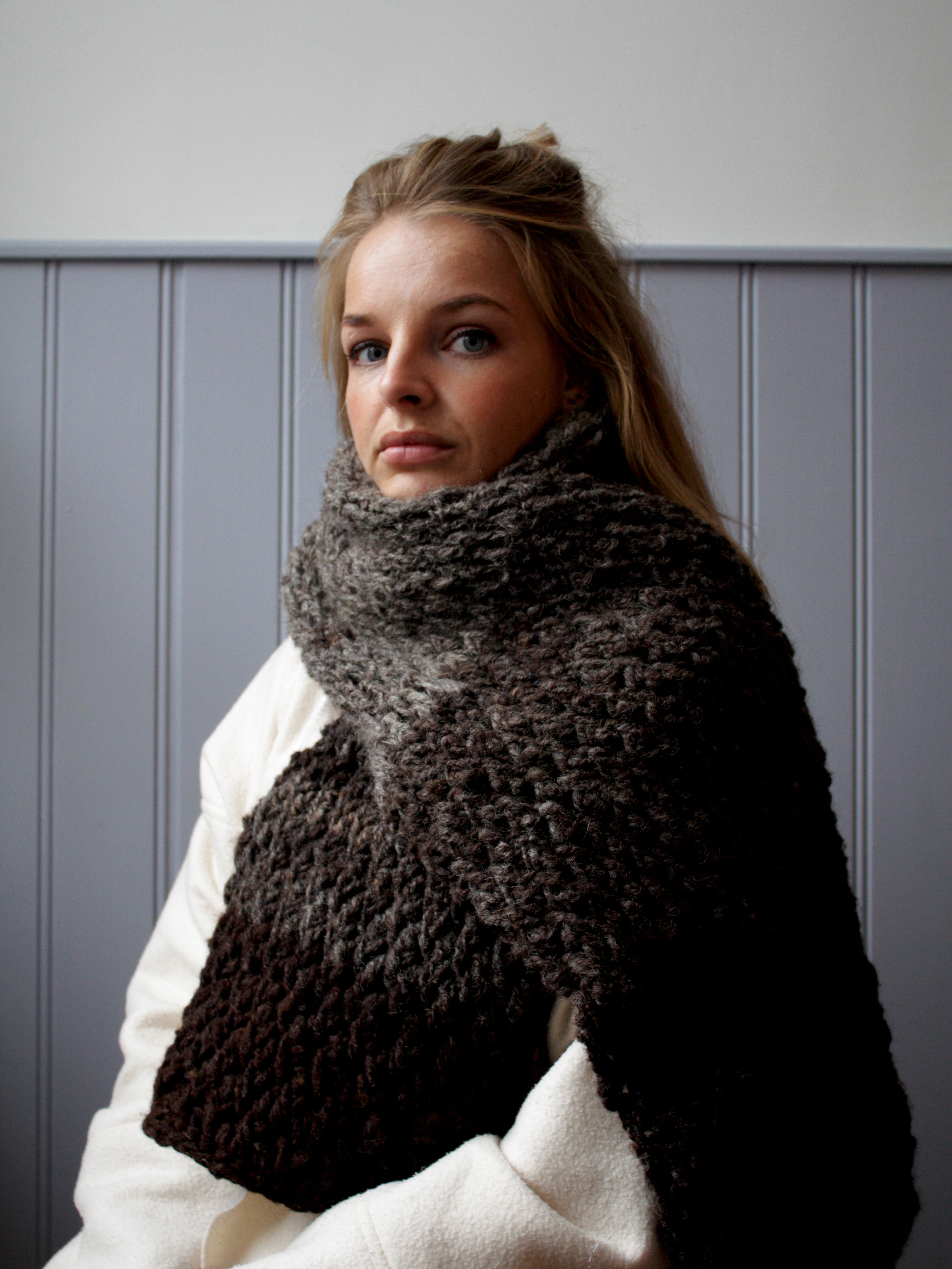
Rug Rug
'The New Standard 2030' is an ongoing design research project that investigates how responsibility, value, and agency can be redistributed through design. It began in 2020, during the global disruption caused by COVID-19 — a moment when everyday systems revealed their inability to cope with sudden change.
As jobs paused and people stayed home, DIY culture resurfaced. Knitting, sewing, repairing, and making became ways to regain control and understanding in an unstable world. At the same time, waste increased dramatically. In the Netherlands alone, millions of kilos of textiles and other materials were discarded — not because they lacked material value, but because systems for reuse and recycling were insufficient.
Context
During this period, responsibility for sustainability was largely placed on individuals. People were told to recycle better, buy differently, and act more responsibly, while being surrounded by products never designed to support those behaviours.
This disconnect became the starting point for The New Standard 2030. Instead of focusing on behavioural change alone, the project asks: what if responsibility was designed into objects themselves?
Core Question
The New Standard 2030 challenges conventional product design by proposing objects that:
- are easy to understand and assemble
- invite adaptation, repair, and modification
- make material origins and construction visible
- can be taken apart and re-enter material cycles
The aim is not to shift more labour onto users, but to share responsibility more honestly between designers, industry, government, and people.
Making as Response
The resurgence of making during 2020 was not treated as a trend, but as a signal. People turned to making because existing systems felt opaque and uncontrollable. The New Standard 2030 builds on this instinct by designing objects that encourage engagement, care, and long-term attachment — without requiring specialist knowledge.
Making becomes a method for understanding materials, systems, and consequences, rather than a lifestyle choice.
Projects
A series of material-driven design projects form the backbone of the research:
RagRug; transforming neighbourhood textile waste into a durable, hand-crafted object that gained value over time
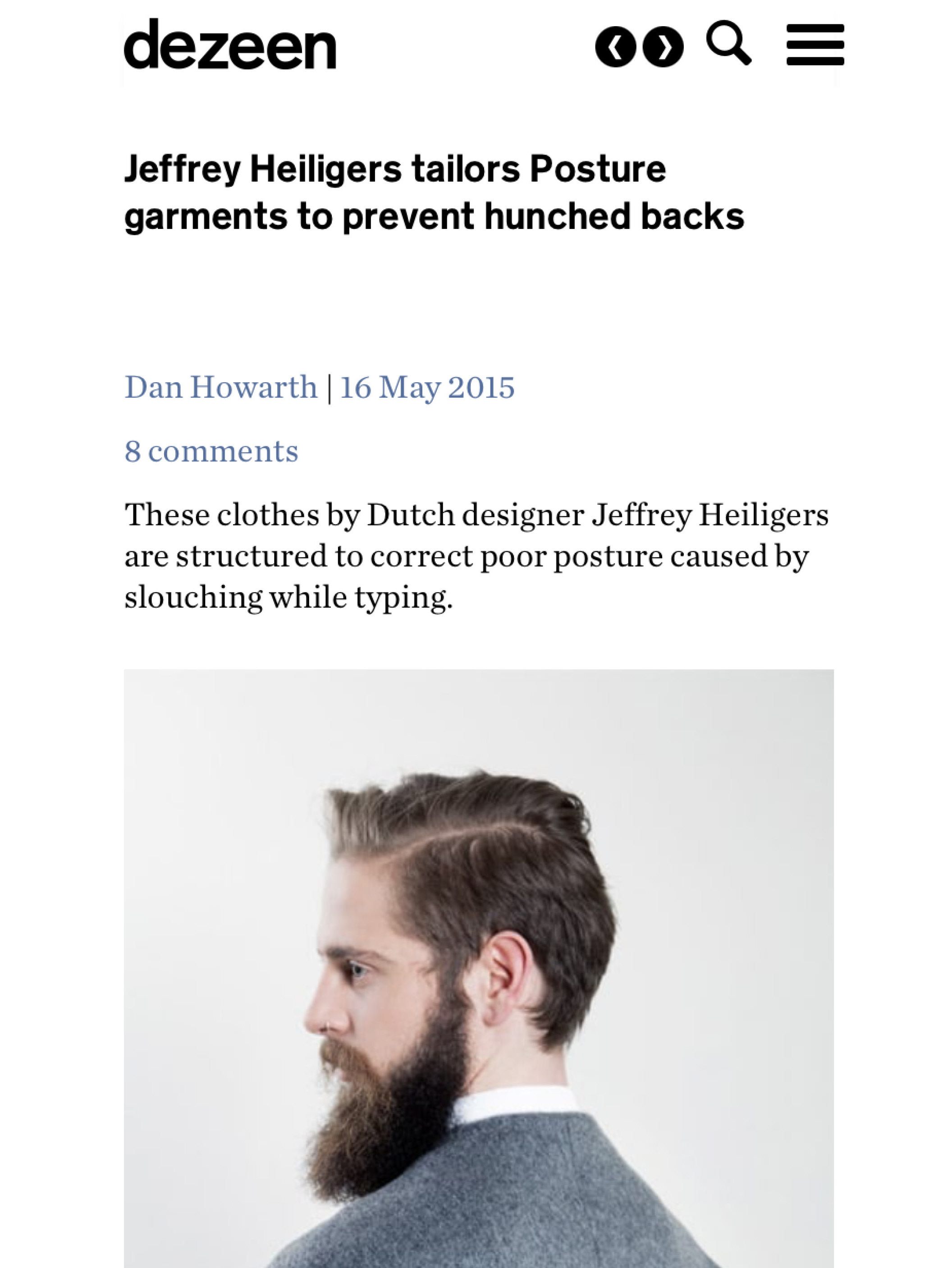
Flatpack Couture; exploring modularity and fashion systems through disassembly and reconfiguration
The Zinc Cabinet; investigating material honesty, longevity, and repair
The B.I.Y. Sneaker; questioning authorship, production, and user involvement in footwear
Each project functions as both an object and an argument — testing how design decisions influence attachment, lifespan, and responsibility.
Reflection
The New Standard 2030 suggests that sustainability cannot rely solely on better behaviour from individuals. It requires a shift in how objects are designed, how materials are valued, and how agency is distributed across systems.
By focusing on overlooked materials and transparent construction, the project proposes a future where objects are not disposable endpoints, but active participants in longer material narratives.
--
Watch this thought-provoking session, led by Jeffrey during Dutch Design Week 2020 and be part of the quest for answers and solutions to pressing questions about our consumption habits and environmental impact. This isn't just a livestream; it's an interactive dialogue shaping the future. Don't miss the chance to engage in this insightful discussion!
Guests:
Jessica den Hartog,
Pepijn Duijvestein,
Douwe Jan Joustra
& Roosmarie Ruigrok.
Guests:
Jessica den Hartog,
Pepijn Duijvestein,
Douwe Jan Joustra
& Roosmarie Ruigrok.